
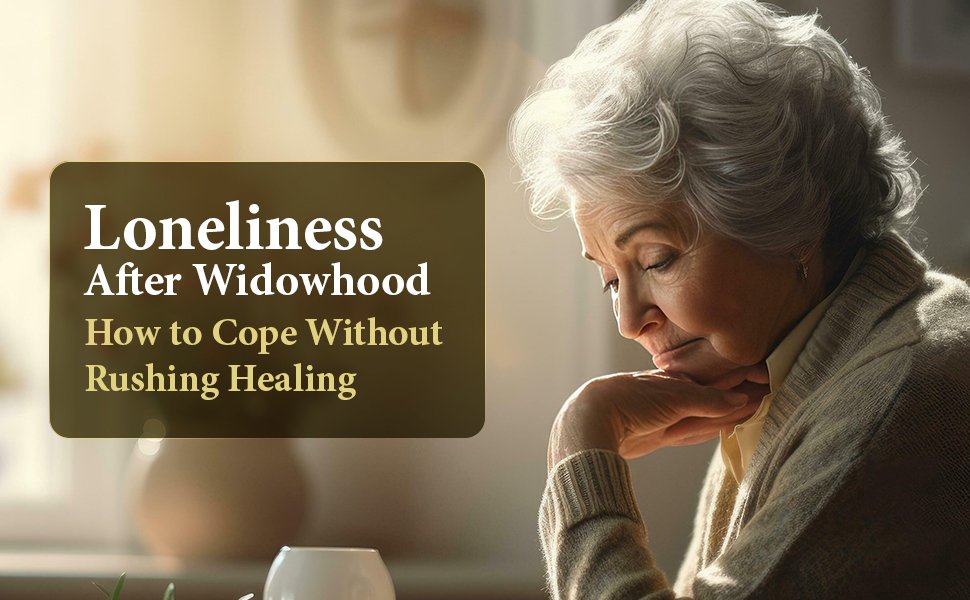
The grief of losing a spouse is complex and multifaceted, and one of the most painful aspects of widowhood is the overwhelming sense of loneliness. Even surrounded by friends and family, many widows feel a deep, unshakable isolation. It’s the kind of loneliness that goes beyond being physically alone — it’s the absence of a companion who once shared everything with you. The person who knew you best is suddenly gone, leaving an emotional void that nothing can quite fill.
In My Prayer on the Rock, Dr. Noah McArthur explores the deep emotional and spiritual journey through widowhood, where the healing process is slow, sometimes painfully so. The loneliness can feel suffocating, and it’s easy to believe that moving on quickly is the answer. However, Dr. McArthur offers an important reminder: healing doesn’t have a set timeline, and the journey should not be rushed. Grief and loneliness are natural, but so is the healing process — which must unfold in its own time.
Understanding the Depth of Loneliness After Widowhood
Loneliness after widowhood is different from the normal feelings of solitude. It is not just about being by yourself — it’s about the emotional void left by the death of your spouse. This form of loneliness is both social and psychological.
While it’s common for people to offer well-meaning advice, such as “stay busy” or “move on,” these statements fail to acknowledge the true depth of what you’re feeling. Dr. Noah McArthur emphasizes in My Prayer on the Rock that loneliness is not a symptom that can be quickly fixed. It is a natural response to loss. When someone has been your constant companion, the absence of their presence can leave a significant gap.
In fact, this emotional void is further explored in healing after losing a spouse, where we examine the complexities of grief and how loneliness is an unavoidable part of the process.
Why It’s Okay to Feel Lonely — And Not Rush Through It
One of the greatest struggles for widows is the pressure to “move on” quickly or to appear strong and independent. Society often pushes people to “get back to normal” without recognizing that the grief journey is personal and ongoing.
In Dr. Noah McArthur’s reflections on healing after losing a spouse, he shares that true healing does not come from rushing or ignoring emotions. It comes from allowing yourself to feel the pain and the loneliness without judgment. Grief, like loneliness, doesn’t have a clear start and end date — it’s an ongoing process. Dr. McArthur reminds us that it’s okay to feel lonely and that this loneliness will gradually evolve as healing progresses.
The Importance of Emotional Space in Healing
Sometimes, the worst thing you can do in the face of loneliness is to pretend it doesn’t hurt. In his book, Dr. Noah McArthur shares how important it is to give yourself the emotional space to grieve, not just to “get over it.” Widowhood often leads to a difficult internal struggle — the desire to be happy again versus the pressure to mourn properly.
By allowing yourself to sit with your loneliness, you grant permission for emotional healing. Dr. McArthur teaches that recovery doesn’t happen by forcing yourself to “move on” or by filling the void with distractions. True healing is a result of understanding your emotions, acknowledging your loneliness, and slowly rebuilding your life at your own pace.
You can find more on healing after the death of a partner, where we explore this difficult yet necessary step in widowhood.
Coping Mechanisms for Loneliness
While loneliness may feel suffocating at times, there are healthy ways to cope and move forward without rushing the process:
- Accept the Loneliness
Understand that feeling lonely is a natural part of widowhood. You are not failing because you miss your spouse. It’s okay to feel the absence deeply. - Stay Connected
While loneliness might make you want to withdraw, it’s important to maintain connections with family and friends. Let them support you, and don’t hesitate to reach out. - Create New Routines
Re-establishing some form of daily structure helps combat feelings of helplessness and provides stability. You don’t have to rush into this, but take small steps to engage with the world again. - Seek Professional Support
Counseling or joining a support group for widows can help you process feelings of loneliness with others who understand what you’re going through.
Finding a supportive community is essential, and hope and resilience after spouse loss can offer additional insights into how hope plays a major role in this process.
Learning to Be Alone Without Being Lonely
While it’s important to recognize and address loneliness, it’s equally important to learn how to be alone without feeling lonely. Over time, Dr. McArthur suggests that widows can learn to be comfortable in solitude and begin to appreciate their own company. This doesn’t mean forgetting your spouse or not grieving — it means that you start to regain a sense of independence and strength.
Eventually, the loneliness that feels so consuming in the early days of widowhood will evolve. It will no longer be an overwhelming feeling of loss but a more manageable, quieter space. You’ll begin to find peace in your own presence and rediscover joy in small, personal victories.
Faith as a Source of Comfort in Loneliness
In moments of loneliness, faith becomes an essential tool. Dr. McArthur discusses how, for many widows, prayer and faith in God’s guidance offer comfort and support. During the most difficult days, faith can provide the light that helps you navigate through the dark.
While there is no quick fix to loneliness, Dr. Noah McArthur writes about how faith offers steady reassurance — not necessarily in terms of immediate answers, but in the promise of emotional sustenance through the process of grief.
Conclusion
Loneliness after widowhood is inevitable, but it is not permanent. Dr. Noah McArthur encourages widows to take the time they need to heal, to sit with their emotions, and to avoid rushing the process. By allowing the loneliness to pass naturally and seeking emotional support, you will gradually rebuild your sense of self and, over time, find a new way to live — not forgetting the past, but honoring it while moving forward.
Through his reflections in My Prayer on the Rock, Dr. Noah McArthur offers an important reminder: Healing is not about filling the void quickly, but about learning to live with it until it becomes something you can carry with strength and resilience.